




















































Odisha The Mineral Powerhouse of India
The mineral deposits of copper, gold, graphite, and semi-precious stones make Mayurbhanj, Sambalpur, Sonepur, and Kalahandi important centers of natural resources and mineral diversity.
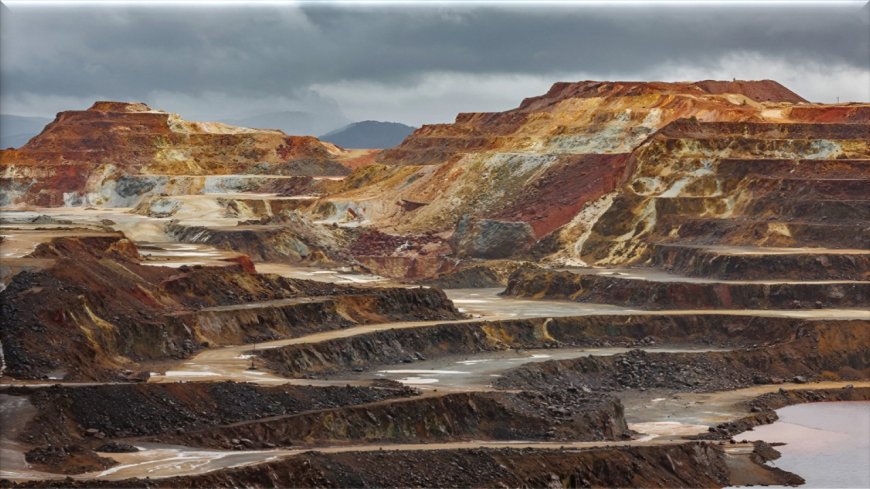
Odisha's rich mineral resources have underpinned India's industrial growth and economic development. Odisha, standing as a major mineral hub of India, has a vast and diverse mineral wealth that contributes significantly to the country's economy. The state accounts for more than half of India's chromite reserves and contains over 97% of the country's reserves, which are mainly concentrated in the Sukinda Valley of the Jajpur, Dhenkanal, and Keonjhar districts. These deposits are important for the stainless steel and alloy industries.
The mineral deposits of copper, gold, graphite, and semi-precious stones make Mayurbhanj, Sambalpur, Sonepur, and Kalahandi important centers of natural resources and mineral diversity. These mineral-rich regions hold immense potential for economic growth, attracting investment in the mining and mineral processing industries. Sustainable management and responsible disposal of these mineral resources are crucial to preserve the ecological balance and ensure the long-term prosperity of these regions. The Panchpatmali region of the Koraput district has reserves of over 1.8 billion tonnes of bauxite, which is an important source of aluminum production. Similar important mineral reserves have also been identified in Rayagada, Kalahandi, and Sundargarh.
The Sundargarh (Yoda-Badabil region), Keonjhar, Rayagada, and Balangir districts of Odisha are major hubs for manganese, supplying over 50% of India’s national production. Apart from this, Jajpur, Keonjhar, and Mayurbhanj in the state contain 93% of India’s nickel ore. Other important minerals include limestone and dolomite in Sundargarh, Nuapada, and Bargarh, which are extensively used in the cement and steel industries. Strategic metals like vanadium and titanium are found in Mayurbhanj and Balasore.
Iron ore reserves in Odisha exceed 4,000 million tonnes. Keonjhar district is the largest producer, contributing over 60% of the state's production. Sundergarh, Mayurbhanj, and Cuttack districts are also involved in this order, and this corridor fuels steel production and industrial growth in the entire region. Odisha also has vast reserves of bauxite, representing about 51% of India's total of 1,500 million tonnes. Strategic exploitation of these reserves can significantly enhance local employment opportunities and regional development. The state has vast reserves of coal, which are likely to exceed 50,000 million tonnes. Coal powers thermal power plants and industries located mainly in Talcher and Sundargarh/Jharsuguda under Angul.