
























































Is modern faith a search for the divine, or is it consuming the collective?
Indian households allocate nearly 5.7% of monthly expenditure to spiritual consumption and about 3.9% to medical healthcare.
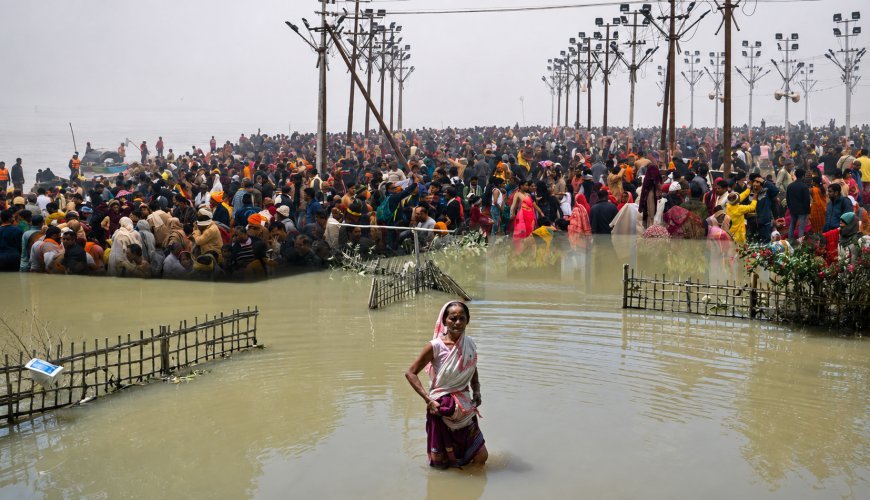
Faith is now a $58.56 billion domestic spiritual economy. Driven by 1.43 billion pilgrimage visits generating ₹1.34 lakh crore in 2022 alone, this spending is subconsciously influenced by urban complexity, where urban mental disorder rates reach 13.5%, compared to 6.9% in rural areas, along with an 80%+ psychiatric treatment gap that leaves 0.75 psychiatrists per 100,000 people.
Consequently, Indian households allocate nearly 5.7% of monthly expenditure to spiritual consumption and about 3.9% to medical healthcare. This heavy investment allows organized spiritual-corporate trusts to control 54% of the market. While 45.9% of household philanthropy goes to religious organizations and 14.9% to secular NGOs, these funds are primarily reinvested in their internal expansion, leaving community welfare a secondary option.