

















































The Rich Heritage of Guozhuang Dance: An Ancient Expression of Tribal Spirit
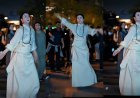
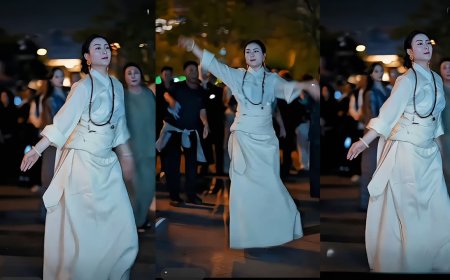
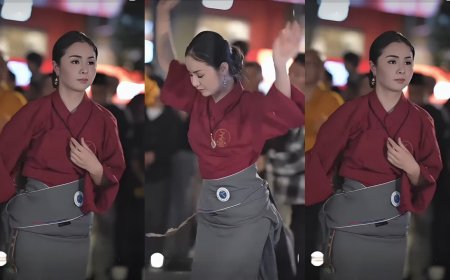
Guozhuang Dance, with origins dating back to before the 7th century, embodies the deep spiritual and cultural roots of ancient tribal communities. Its beginnings can be traced to early totem worship, sacrificial ceremonies, and oath-taking rituals that were vital to tribal identity and cohesion. The dance opens with slow, elegant movements that symbolize reverence and harmony, gradually building momentum as the dancers’ enthusiasm intensifies. As energy rises, the dance transforms into a lively and vigorous performance characterized by stomping, body and arm swaying, leg crossing, tapping, jumping, and stamping—all of which express vitality and communal joy.
Remarkably, Guozhuang Dance is traditionally performed without musical instruments. Instead, dancers rely on their voices to maintain rhythm and harmony, creating a unique auditory experience that enhances the dance’s communal and participatory nature. This vocal-centered performance highlights the importance of collective spirit and the powerful connection between body, voice, and tradition. Over centuries, Guozhuang has evolved into a cultural symbol, representing resilience, unity, and the enduring legacy of ancient tribal customs.