








































Celebrating Tibetan Heritage: The Joyful Spirit of Guozhuang Dance
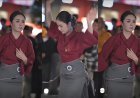
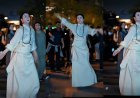
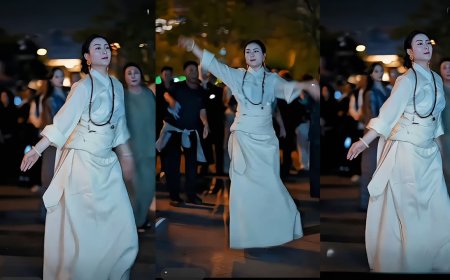
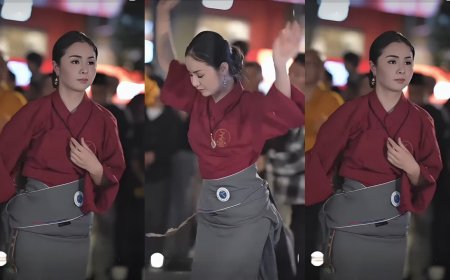
Tibetan Guozhuang Dance, meaning "singing and dancing in a circle," is one of Tibet's three main traditional folk dances. Historically performed around campfires during festivals and celebrations, it embodies a communal spirit and lively expression of Tibetan culture, strengthening bonds within the community, and is the Tibetan Dance Icon.
Origins and Significance
Ancient Heritage: The roots of Guozhuang trace back to before the 7th century, emerging from early totem worship, sacrificial rites, and tribal oath rituals.
Musical Dialogue: The dance features a call-and-response style, with men and women dancing separately or in lines, exchanging rhythmic singing, one group posing a "question" and the other providing an "answer."
Everyday Life Representation: The dance movements and lyrics imitate daily tasks such as wool spinning, barley harvesting, wine brewing, and livestock herding.
Dance Movements and Characteristics
Circular Formation: Participants hold hands or form a ring, moving clockwise in a "Dragon Swings Its Tail" pattern.
Varied Steps: The dance emphasizes body and arm swaying, leg crossing, tapping, jumping, and stamping, showcasing lively energy.
Progressive Tempo: It begins slowly and gracefully, gradually speeding up into a vigorous stomping rhythm as enthusiasm grows.
Vocal-Driven: Typically performed without musical instruments, dancers rely solely on their voices to keep rhythm and harmony.
Variants of Guozhuang
Regional and community differences give rise to distinct styles:
Chenni (Traditional Guozhuang): Ancestral, ceremonial, and ritualistic, with fixed lyrics often performed by elders or during religious ceremonies.
Chensi (Modern Guozhuang): More flexible and contemporary, featuring lively lyrics that reflect modern life, love, and community spirit.
Cultural and Health Benefits